How to prepare your band for a recording session in Canada
Prepare arrangements, rehearsal decisions, equipment responsibilities and song priorities before your band records. Includes a readiness process and tracking-board example.
Last reviewed 2026-11-02 · quarterly review cadence
Prepare your band for a recording session by settling song arrangements, rehearsing the parts you intend to capture, and agreeing with the engineer on the recording approach, equipment and arrival plan. Bring one current song list and reference package. Track unfinished decisions before the day instead of discovering them during setup.
Key takeaways
- Name the parts you want to record and the choices still unresolved.
- Confirm the recording approach before planning everyone’s work.
- Keep performance progress separate from approval of a final recording.
What are you planning to capture in this session?
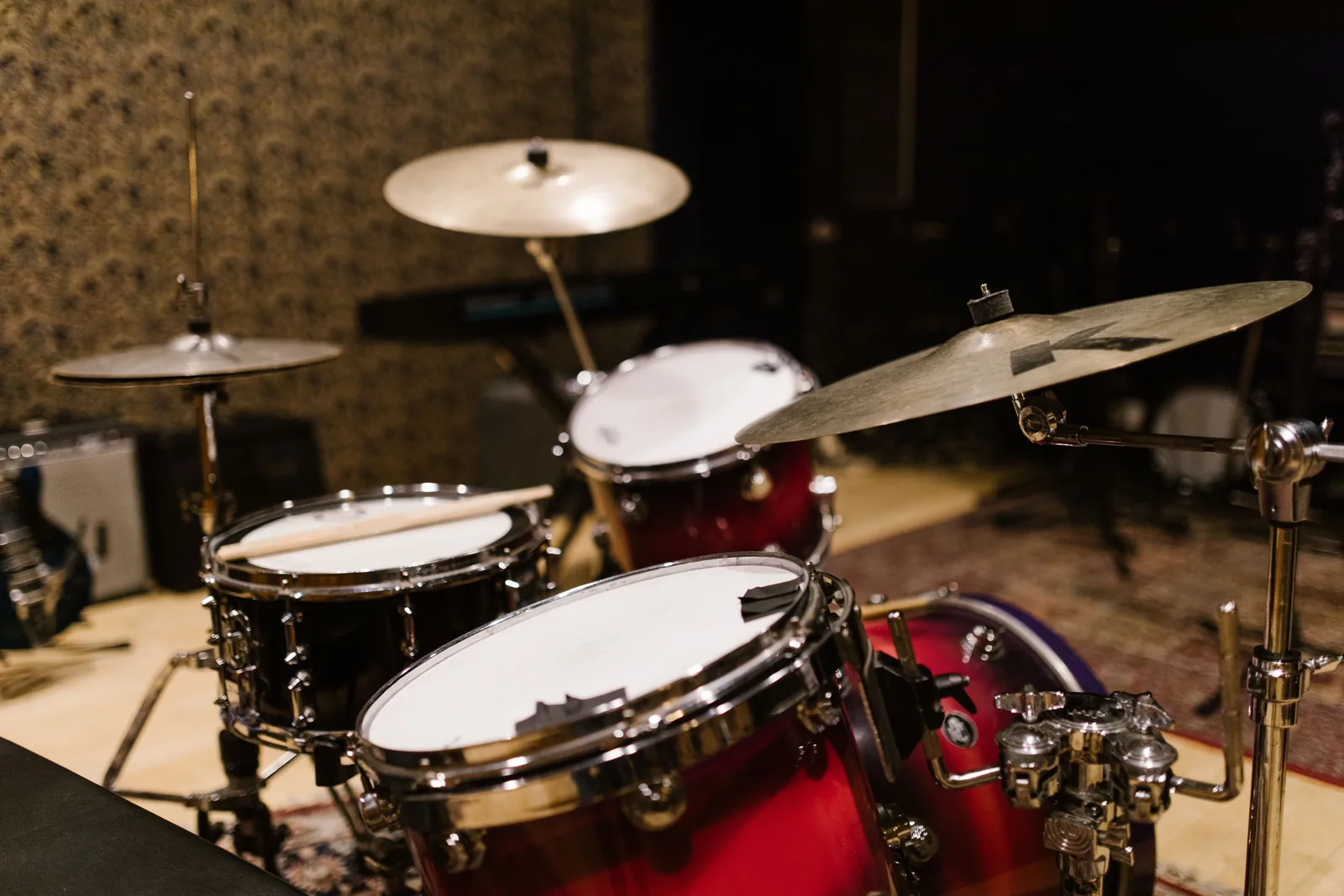
Start with the musical task rather than a gear wish list. Blue Light Studio distinguishes band bed tracks, drums, vocals and instrument overdubs, and recommends discussing the intended recording with the engineer beforehand. Say which musicians and parts belong in this particular session. MusicList’s studios category displayed 154 recording and mastering listings on November 2, 2026. That is a discovery snapshot, not 154 rooms equipped for a full band or a guarantee of availability. Check the actual services and room fit directly. If your project also needs creative production direction, clarify who provides that role instead of assuming the room booking includes it.
Which musical decisions should you settle in rehearsal?
The Sonic Temple recommends preparing arrangements and tempos, deciding whether to use a click or drum track, and warming up before recording. Treat those as decisions to discuss for your music, not a requirement that every band record to a fixed grid. Our suggested rehearsal pass checks the introduction, transitions, ending and who plays each part. Make a rough recording to hear whether everyone follows the same structure. If a section remains experimental, flag it for the producer or engineer instead of describing the arrangement as final. Rehearsal should reveal the choices that need attention; it does not have to remove every possibility for a spontaneous performance.
Run a readiness rehearsal
- Play the intended arrangement from the first count-in to the ending.
- Listen back together and mark uncertain entries, transitions or parts.
- Resolve the choices you can; send the remaining questions before the session.
Who is responsible for the instruments and session materials?
Confirm what the band supplies and what the room can provide before anyone packs the car. Blue Light asks musicians to discuss using its instruments with the engineer in advance; a published equipment list alone does not settle your particular session. The Sonic Temple also discusses bringing personal gear and materials such as reference tracks, existing recordings and lyric notes. Our responsibility check below assigns a person to each unresolved area. Inspect the equipment you plan to bring and ask the engineer about anything that may affect setup. Avoid making last-minute assumptions about house instruments, playback connections or who has the current version of a supporting file.
Pre-session responsibility check
Scroll horizontally to read the table.
| Area | Person to confirm it | Question to close |
|---|---|---|
| Song arrangement | Band’s designated musical contact | Which version will everyone rehearse and record? |
| Recording approach | Engineer and the person directing production | Which parts happen together and which are separate? |
| Personal instruments | The player bringing them | What travels with the instrument, and what needs checking? |
| Studio equipment and files | Engineer and the person delivering the material | What is actually confirmed for this session? |
What should be in the song and reference package?
Give the team a current song list and supporting material that explains the work, not an unsorted archive. The Sonic Temple asks consultation clients to bring a demo and suggests production references, existing digital recordings and notes. For your project, label what each reference is meant to communicate: a performance feel, a texture or a structural idea. Ask the engineer how to deliver any files needed during recording. Our suggested priority note separates the essential recording goal from optional experiments. It is a planning aid rather than a promise that a particular number of songs can be finished within a booked block.
What should everyone know before arriving?
Blue Light’s preparation advice includes making sure musicians know their parts, what to bring and when to arrive. Turn that into one shared note rather than separate assumptions in several messages. Confirm the address and access arrangements with the studio, the agreed arrival time for each person, the files and instruments they own, and the contact who handles changes. If recording the rhythm section first is only a proposal, do not tell other musicians their attendance is unnecessary until the recording team confirms the approach. Keep the current plan accessible to everyone involved, and explicitly tell the team when a change affects another player’s preparation.
How do you track progress without confusing it with approval?
MusicNSW describes a recording tracking board that lists the songs and the elements to record for each one, then marks work as it is completed. Adapt that idea into a simple shared record for your band. Our suggested board distinguishes recorded, needs another pass, and approved for the next stage, with a short note about the relevant take or decision. Agree what those labels mean with the engineer. A tick beside “guitar” should not silently mean the entire song is finished. Before leaving, review unresolved performance choices and confirm what the team expects next, keeping recording progress separate from later editing, mixing and mastering decisions.
Keep these fields in your tracking notes
- Song and part: identify the work precisely.
- Status and take reference: describe what was captured or needs attention.
- Next decision and owner: record who will resolve the open question.
Frequently asked questions
Does every band have to record to a click?
No universal rule is established by the sources used here. The Sonic Temple recommends deciding whether to use a click or drum track before recording. Discuss the intended performance and workflow with your engineer, then rehearse the agreed approach rather than discovering a new monitoring method after the session has started.
Can we record the band together instead of one player at a time?
Ask the studio and engineer to assess that approach for your project. The Sonic Temple describes live-off-the-floor and multitrack recording among its services, while Blue Light lists band bed-track sessions. Those examples show possible workflows, not a guarantee that every room or booking supports your preferred configuration.
Should we bring our own instruments if the studio has equipment?
Confirm the plan directly instead of assuming either option. Blue Light specifically asks clients to discuss using its instruments before the session. Explain the sounds and instruments you need, identify what you are bringing, and have the engineer confirm any house item you intend to rely on for the agreed recording.
Do we need special software to keep a recording tracking board?
No particular paid tool is required by the recording-board idea described here. MusicNSW explains that a board is often a whiteboard and offers a spreadsheet template. Use a format the team can read and maintain together; the important editorial addition is keeping part status and unresolved decisions clear, not choosing a specific vendor.
Official sources
Directory updates are temporarily unavailable. These listings may be out of date.