How to build a recording grant budget from studio quotes
Turn recording, mixing and other quotes into a project budget, identify costs to check with the funder, and map when deposits and balances are due.
Ask the studio to itemize the room, engineer, editing and mixing, then match each line to the current grant program’s budget categories. Keep separate totals for the full project and the costs you propose for funding. Check when expenses can be incurred and put deposits and balances on a cash calendar before booking.
Key takeaways
- Mark any quote line whose eligibility or timing needs written confirmation.
- Record a deposit against its quote so it does not inflate the budget.
- Keep the provider’s version and date beside each budget line.
What should you ask the studio to itemize?
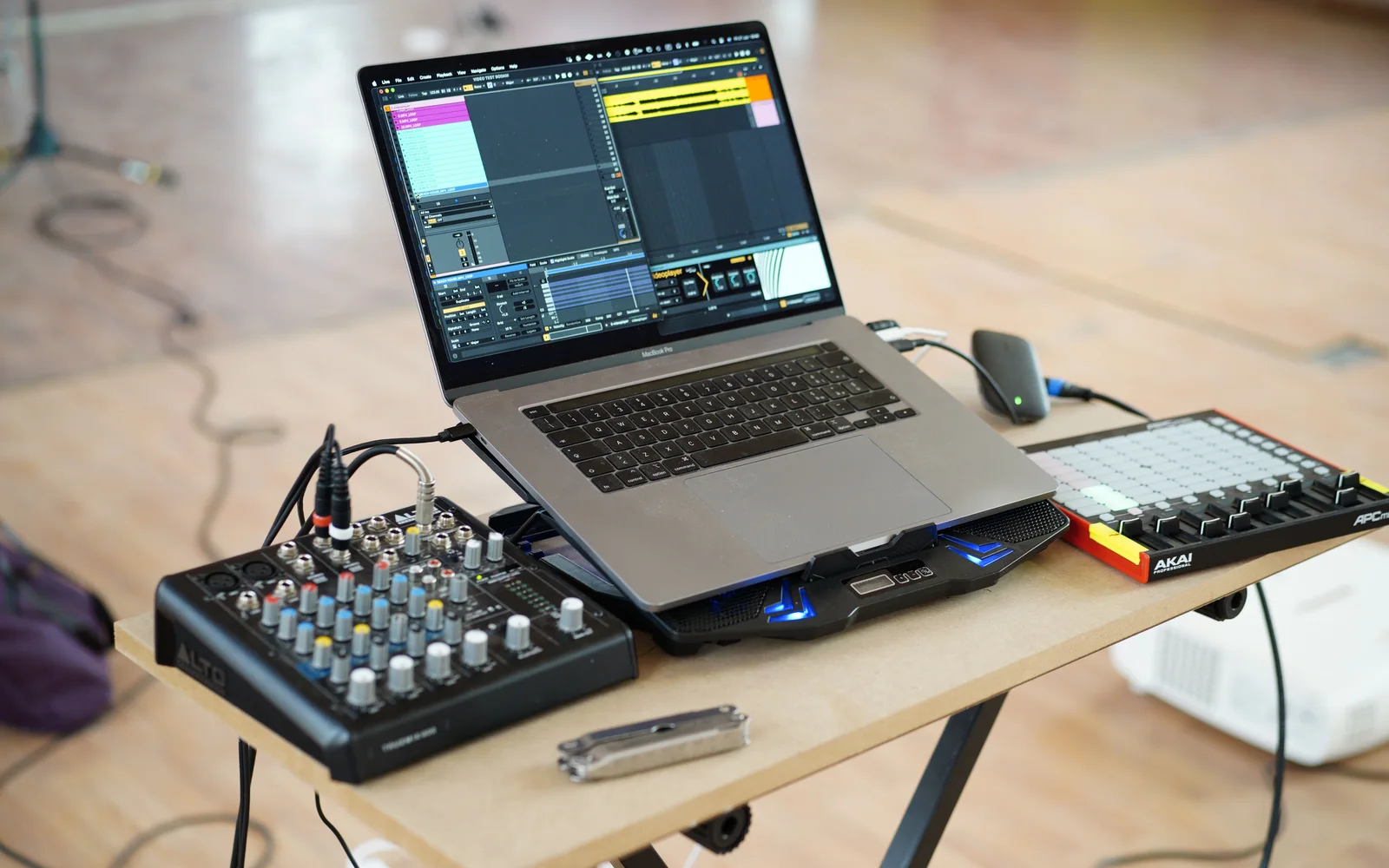
Start with the project the application actually describes. Tell the studio how many songs you want to track and what should be ready at the end of the booking. Ask which hours cover the room and engineer, what editing is included, and whether a separate person will mix or master the recordings. A package can be useful, but a funder’s template may ask you to put work from the same quote on different lines.
FACTOR’s Juried Sound Recording Album application lists a sound recording budget among its materials. For your own working file, keep the quote date, version, currency, taxes as shown, and what is excluded. If the engineer is included in the studio line, note it before adding any separate labour line. MusicList’s Canadian studio directory showed 394 listings on November 25, 2026. Look for a room suited to the work, then request its actual terms.
How do you separate project costs from proposed grant costs?
Keep every planned expense in your project budget. In a separate column, note the budget heading from the exact program guide, or mark the line as outside the request or awaiting confirmation. Show a cost that will be funded from another source in the appropriate budget fields. Keep the project total visible while you decide how to cover costs the grant will not pay.
Check whose facility is involved and where and when the work happens. The Alberta Foundation for the Arts excludes rental costs for studios owned by principal ensemble members under its Music Individual Project Funding program. Toronto Arts Council’s Demo/EP recording description excludes fees for using your own studio. These are program-specific examples. Use the grant directory to identify an operator, then check the current category and edition of its rules directly.
Give each line a status
- Map a clearly described cost to the matching program budget heading.
- Write the question you need the operator to answer beside any uncertain cost.
- Keep costs outside the request in the project total and identify how you plan to pay them.
How do the quote totals and payment dates fit together?
The constructed example below uses invented planning amounts in Canadian dollars. Its two recording lines stay under review for the selected program. A separate publicity line remains in the full project budget and outside this recording request by choice. The sum being considered for funding is not the grant amount. The artist still needs to check the program’s contribution rules and how any balance will be covered.
In the example, the $400 deposit is part of the $1,200 room and engineer line. It leaves an $800 balance on that line. Across the project, $1,550 would still be owed after paying the deposit. Write the actual due dates and expected funding dates in a separate cash calendar. The Alberta Foundation for the Arts excludes expenses already incurred before submission for this program. Ask the operator how a hold, a deposit, or completed work is treated before you commit.
Constructed project budget in Canadian dollars
Scroll horizontally to read the table.
| Quote line | Full project cost | Working grant budget |
|---|---|---|
| Room and engineer | $1,200 including $400 deposit | $1,200 pending program check |
| Mixing | $450 due on delivery | $450 pending program check |
| Publicity | $300 due on delivery | Outside this request |
| Total | $1,950 | $1,650 under review |
What should you keep if the quote changes?
Save the version that informed the submitted budget and give each later quote a new date or version. Write what changed and whether it affects the activity, provider, cost or date of work. FACTOR’s 2026–27 album guidelines describe discussing changes with the Project Coordinator after approval. Ask the applicable program how changes should be handled before spending against a new scope.
Keep the estimate, invoice and any required proof of payment under the same budget reference. They answer different questions: what you planned to buy, what you were billed for, and what was paid. FACTOR provides an expense documentation guide and cost report templates. Check which documents the actual grant requires at application and at completion so the provider can supply the right detail.
Frequently asked questions
Can I copy a studio’s package total straight into the application?
Check whether the application asks for separate lines and whether the services belong in the same category. If the package includes work outside the request, ask the studio to show the breakdown. Keep the original total in your project budget so the costs you must cover remain visible.
What if the studio belongs to someone in the band?
Tell the funder who owns the facility and what work the quote would cover. Ask how it treats the facility charge and any separately itemized services, and keep the reply with your budget. Use your program’s own wording because the exclusions and definitions can differ.
Does an estimate count as proof that I paid a deposit?
An estimate records planned charges. Keep the provider’s deposit invoice or receipt and the payment evidence required by your program when you actually pay. Ask the studio to identify the deposit on the final bill so you can trace it without counting it as a second expense.
What if the quote expires before the grant decision?
Ask the provider when it can refresh the quote and whether its proposed dates can be held without payment. Record which figures and dates are tentative in your schedule. If a later price changes the project you submitted, confirm what the operator wants to see before committing.
Official sources
- FACTOR, Juried Sound Recording Album application ↗
- FACTOR, 2026–27 Juried Sound Recording Album guidelines ↗
- FACTOR, Artist resources and expense documentation ↗
- Alberta Foundation for the Arts, Music Individual Project Funding ↗
- Toronto Arts Council, Music Creation and Audio Recording ↗
- MusicList, Canadian music grant directory ↗
MusicList
Your music belongs here.
Artists, musicians and music-industry professionals: claim your free profile to unlock smartlinks, a shareable press kit, and direct booking inquiries.
Find my profileRelated guides
MusicList
Your music belongs here.
Artists, musicians and music-industry professionals: claim your free profile to unlock smartlinks, a shareable press kit, and direct booking inquiries.
Find my profile