How to hire a remote session drummer in Canada
Compare remote drum recording offers, send a usable song brief and check that the returned drum tracks line up before mixing.
Choose a remote session drummer by listening to recordings with a feel and drum sound close to your song. Send the current demo, tempo or timing reference, and notes on what the part should do. Agree on how you will review takes, what files you will receive, and where they should line up before recording starts.
Key takeaways
- Listen for how the drummer leaves space for the voice or lead instrument.
- Send a version with guide drums and a matching version without them when available.
- Ask for a reference mix and specify whether the mixer needs individual microphone tracks.
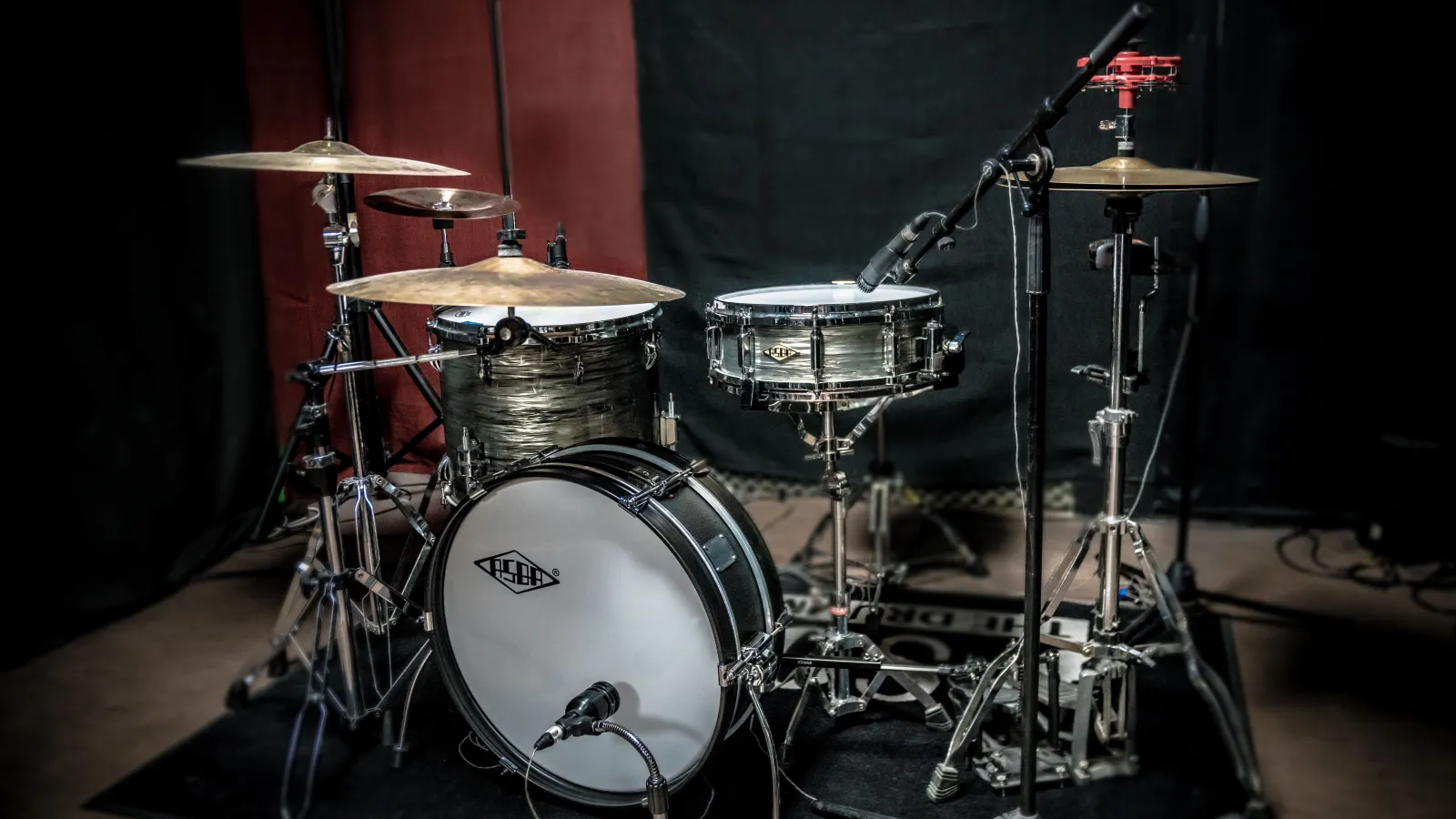
How do you tell whether a drummer fits the song?
Pick a section where the drums will change how the song feels, such as the first chorus or a quiet verse. Compare clips from prospective players at similar tempos and densities. Listen for how they handle transitions, how much space they leave for the vocal, and whether the room sound suits the track. A large kit or a long credit list tells you little about how someone will play behind a sparse melody.
Ask which examples the drummer played and recorded, and whether the room or kit in those examples is available for your project. Rich Dasilva and Hazy Bay describe their own remote recording setups. If you already work with a producer or engineer, ask whether they can suggest a player and review a sample before you commit. Explore MusicList’s directory for credits, then confirm remote services and availability directly.
What should you send before the drummer records?
Use a single song version for the brief. Name the files so the drummer can distinguish the guide from the backing track. If your current drums show the intended groove, keep them in a reference bounce and export a second bounce without them from the same start point. Nate Barnes asks for both versions when temporary drums exist; Rich Dasilva also asks for tempo and time signature.
Describe the arrangement where it affects the performance. Mark an extra bar, a stop or an ending that rings out. Say which parts must match the demo and where the drummer can explore. Test the shared link and identify the file that supersedes any earlier export. When the song changes tempo, share an audible timing reference or ask what tempo-map format the drummer uses.
Should you attend remotely or review a first pass?
Choose the feedback method before comparing quotes. Hazy Bay describes a rough-mix review before final delivery, while Rich Dasilva and Nate Barnes offer live remote attendance. Ask how the provider prices the format you want, when feedback is due, and whether revisions cover a different fill, a replacement take or a rearranged song. Identify who sends the final notes if the artist and producer both listen.
Compare the same delivery scope across offers. Agree on the number of songs and takes, the editing included, the target date and what happens if you change the arrangement after recording. Request a written outline so you know which decisions belong in the first review.
Two ways to review a remote recording
Scroll horizontally to read the table.
| Review method | Useful when | Confirm before booking |
|---|---|---|
| Review a preview later | The arrangement is settled and the team needs time to listen. | Who sends notes and what a revision covers. |
| Listen live remotely | You want to decide on feel or transitions between takes. | Audio feed, attendees and time for pickups. |
How do you check the drum files before mixing?
Agree on the session start, file format and sample rate with whoever will mix the song. Rich Dasilva describes bar-one-aligned WAV files for individual drums and microphones. Hazy Bay lists separate microphone files and a mix with the new drums. Ask whether the files are raw, edited or processed, and request labels that make sense once the folder leaves the drummer’s computer.
Download the files and import a complete take into a copy of the project before signing off. Keep the common start point and mute the guide drums. Listen to the count-in or first entrance, an internal transition and the ending against your reference. If something drifts, send the take name, song version and bar where the problem first becomes audible. Save the agreed credit spelling alongside the final files.
Frequently asked questions
Can I hire a drummer with only a voice memo?
A voice memo can start the conversation about feel and arrangement. Before the take, ask whether the drummer can use it as a timing reference or needs an export to play against. Confirm who builds any missing guide track and how you will approve it.
Do I need a click track if the song changes tempo?
Ask whether the drummer wants an audible click, a tempo map or a performance guide. Flag every tempo or metre change. Agree where the count starts and whether any unmeasured passage should follow the demo by ear. Send a test export if the alignment is uncertain.
Is a stereo drum mix enough?
A stereo drum mix can be enough if everyone approves the balance and the drums only need to sit behind the song. If the mixer needs to change the kick, snare or room level independently, arrange for separate microphone tracks and keep the stereo mix as a reference.
What if the arrangement changes after the first pass?
Send the updated backing track and reference with a new version name, then mark the bars that changed. Ask the drummer whether the existing performance can be edited or a new take is needed. Confirm any change in scope, timing and fee before work resumes.
Official sources
MusicList
Your music belongs here.
Artists, musicians and music-industry professionals: claim your free profile to unlock smartlinks, a shareable press kit, and direct booking inquiries.
Find my profileRelated guides
MusicList
Your music belongs here.
Artists, musicians and music-industry professionals: claim your free profile to unlock smartlinks, a shareable press kit, and direct booking inquiries.
Find my profile